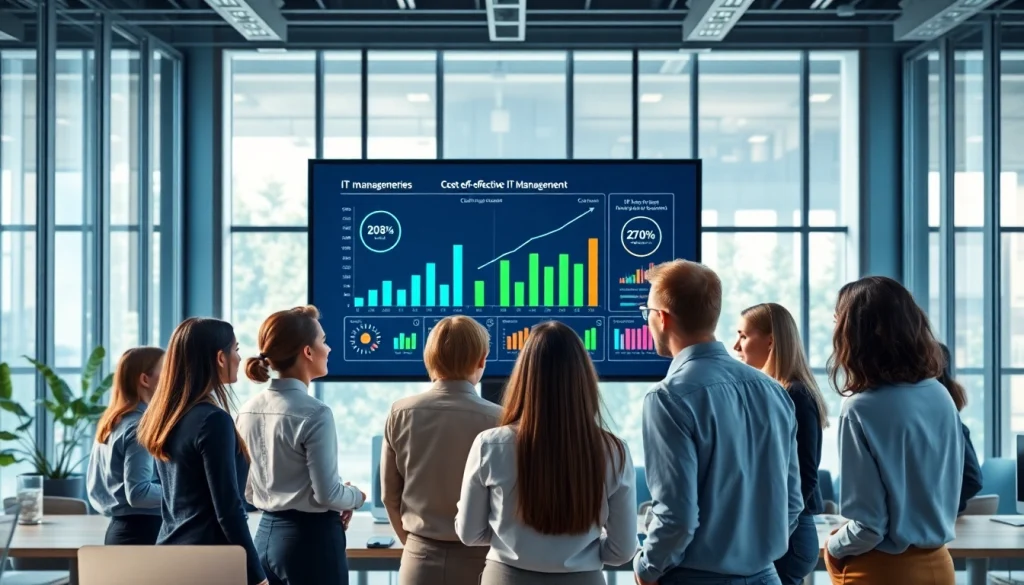
Understanding Cost-Effective IT Management
Defining Cost-Effective IT Management
Cost-effective IT management is a strategic approach aimed at delivering high-quality IT services while minimizing expenses. This involves leveraging various technologies and methodologies to optimize IT resources, enhance operational efficiency, and improve overall business outcomes. The primary focus is not merely on cutting costs but on maximizing value from IT investments. By strategically managing resources and focusing on innovation, organizations can bolster their competitive advantage and ensure sustainability in a rapidly changing technological landscape.
The Importance of Cost-Effective IT Management
In today’s competitive market, the significance of Cost-Effective IT Management cannot be overstated. Organizations are increasingly pressured to do more with less, as escalating IT expenses can erode profitability. Effective IT management allows businesses to:
- Enhance Productivity: Streamlining IT operations ensures teams can focus on core strategic initiatives rather than mundane technical issues.
- Improve Service Delivery: Adopting a cost-effective strategy leads to better service levels through optimized and well-managed IT systems.
- Increase Agility: Organizations can react quickly to changes in the market and adapt their IT resources accordingly, maintaining a competitive edge.
Common Challenges in Achieving Cost-Effective IT Management
Despite its importance, many organizations encounter challenges in managing IT costs effectively. Some of the common hurdles include:
- Complex IT Ecosystem: The intertwining of various IT systems and technologies can lead to difficulties in tracking and managing expenses efficiently.
- Lack of Expertise: Many organizations struggle with a shortage of skilled IT personnel to navigate the complexities of modern IT management.
- Resistance to Change: Transforming IT processes can meet with resistance from employees who are accustomed to traditional methods.
Leveraging Technology for Cost Savings
Cloud Solutions for Cost-Effective IT Management
Cloud computing has revolutionized how organizations manage IT resources. By transitioning to cloud solutions, businesses gain:
- Scalability: Organizations can quickly adjust their IT capacity based on demand without the need for significant investments in hardware.
- Cost Savings: Cloud services often operate on a pay-as-you-go model, significantly reducing upfront costs associated with traditional IT infrastructure.
- Access to Advanced Technologies: Cloud providers frequently offer the latest technologies, enabling organizations to stay competitive without substantial investment.
Automation and Its Role in Cost Efficiency
Automation is integral to achieving cost-effective IT management. By automating repetitive tasks and processes, organizations can realize several benefits:
- Increased Efficiency: Automation reduces the time required for manual tasks, allowing IT staff to focus on strategic initiatives.
- Error Reduction: Automated processes are less prone to human error, leading to improved accuracy in IT operations.
- Cost Savings: Reducing manual workloads translates into lowered labor costs and enhanced productivity across teams.
Utilizing Virtualization Technologies
Virtualization technologies enable organizations to create multiple virtual instances of operating systems and applications on a single physical device. This approach offers numerous advantages:
- Resource Optimization: By maximizing the use of physical server resources, organizations can reduce hardware costs significantly.
- Energy Efficiency: Fewer physical servers lead to reduced energy consumption and lower cooling costs, contributing to sustainability.
- Disaster Recovery: Virtualized environments streamline the backup and recovery processes, ensuring business continuity without excessive expenditure.
Optimizing IT Resources for Better Management
IT Asset Management Techniques
Effective IT asset management (ITAM) is crucial for organizations striving to implement cost-effective IT management practices. Strategies include:
- Inventory Control: Keeping a precise inventory of all IT assets enables organizations to monitor usage, prevent resource wastage, and plan future purchasing.
- Lifecycle Management: Managing the lifecycle of IT assets—from acquisition to disposal—ensures that aging assets are replaced timely, avoiding increased maintenance costs.
- Utilizing Tools: Employing ITAM tools allows organizations to gain insights into asset performance and automate management tasks, leading to better alignment of IT investments with business needs.
Evaluating Software Licenses and Subscriptions
Organizations often overlook the potential savings from optimizing their software licenses and subscriptions. Key strategies include:
- Audit Software Usage: Regularly audit and assess software usage across the organization to identify underused or redundant licenses.
- Negotiate Contracts: Engage software vendors during contract renewals to negotiate better terms based on actual usage, which can lead to cost savings.
- Explore Alternatives: Consider alternative software solutions or open-source options that can deliver similar functionalities at a lower cost.
Implementing Effective IT Budget Management
Budget management is crucial for ensuring that IT costs do not spiral out of control. Effective practices include:
- Creating Detailed Budgets: Develop comprehensive budgets that take into account all anticipated IT expenditures, including hardware, software, training, and support.
- Monitoring Expenses: Continuously monitor and review expenses to ensure adherence to the budget, making adjustments as needed based on real-time data.
- Performing Cost-Benefit Analyses: Regularly conduct cost-benefit analyses for existing and potential IT projects to ensure they are financially viable.
Strategies for Long-Term Sustainability
Developing a Culture of Continuous Improvement
Establishing a culture of continuous improvement within the IT department fosters innovation and efficiency. This can be achieved by:
- Encouraging Feedback: Solicit feedback from employees on IT processes and tools to identify pain points and areas for improvement.
- Providing Training: Invest in ongoing training programs to equip employees with the knowledge of best practices and emerging technologies.
- Implementing Best Practices: Utilize frameworks such as ITIL (Information Technology Infrastructure Library) to standardize processes and drive improvements.
Utilizing Metrics for Performance Measurement
Measuring performance is vital to ensure that IT management strategies are effective. Key metrics include:
- Cost per User: Calculate the IT cost per employee to track efficiency and identify areas for cost reduction.
- Service Uptime: Monitor service uptime to assess the reliability of IT systems and identify opportunities for improvement.
- User Satisfaction: Conduct user satisfaction surveys to gauge how well IT services meet organizational needs.
Engaging with Stakeholders for Ongoing Support
To sustain cost-effective IT management efforts, it’s crucial to engage stakeholders throughout the organization. Effective strategies include:
- Regular Communication: Maintain open lines of communication with all stakeholders to ensure alignment between IT and business objectives.
- Involving Users in Decisions: Involve end-users in discussions about IT changes and improvements to foster buy-in and reduce resistance.
- Building Relationships: Build strong relationships with business leaders to understand their needs and demonstrate how IT supports those goals.
Future Trends in Cost-Effective IT Management
The Impact of Emerging Technologies
As technology continues to evolve, new tools and methodologies will shape the future of IT management. Key trends to watch include:
- Artificial Intelligence: AI will play a crucial role in automating processes and providing insights that can lead to better decision-making in IT management.
- Edge Computing: The shift towards edge computing will require organizations to reevaluate how they manage IT resources to ensure efficiency and cost-effectiveness.
- Blockchain: This technology may provide innovative solutions for supply chain management and secure transactions, impacting IT management strategies.
Preparing for Evolving IT Challenges
Organizations must remain agile to adapt to ever-changing IT challenges. This can be achieved through:
- Regular Risk Assessments: Conducting frequent risk assessments helps organizations identify potential vulnerabilities in their IT environments.
- Scenario Planning: Engaging in scenario planning can prepare organizations for unexpected IT disruptions, ensuring continuity even in adverse situations.
- Investing in Cybersecurity: As cyber threats increase, investing in robust cybersecurity measures is essential for protecting IT resources and maintaining trust.
Building Resilience in IT Operations
Resilience in IT operations is crucial for navigating uncertainties. Key strategies include:
- Developing Disaster Recovery Plans: A well-defined disaster recovery plan ensures minimal downtime during IT outages, protecting critical business functions.
- Emphasizing Flexibility: Adopt solutions that allow for scalability and flexibility in response to changing market conditions.
- Encouraging Innovation: Cultivating a culture of innovation empowers teams to explore new technologies and processes that can enhance resilience and cost-effectiveness.