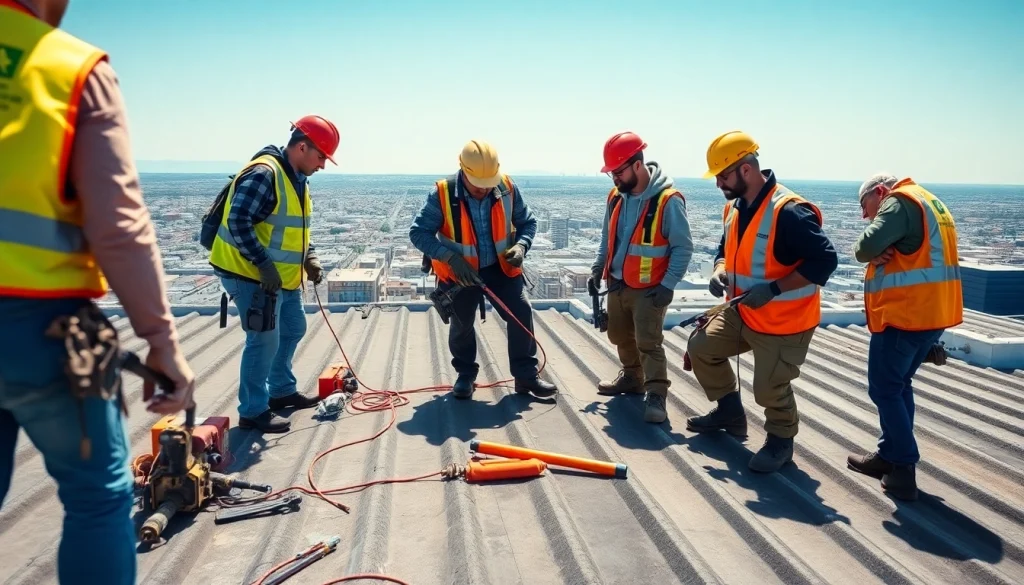
Understanding Commercial Roofing Services
Commercial roofing services are essential for maintaining and enhancing the structural integrity of commercial properties. These services encompass a wide range of tasks, including roof installation, repair, and maintenance, catering specifically to commercial buildings, which often have unique roofing requirements compared to residential structures. When looking for top-tier commercial roofing services, it’s crucial to understand various aspects that make these services distinct and vital for businesses.
What are Commercial Roofing Services?
Commercial roofing services refer to specialized roofing solutions tailored for business premises, including offices, warehouses, and retail locations. The primary goal is to ensure safety, durability, and compliance with local building codes. These services are provided by trained professionals who possess the expertise to manage complex roofing systems that commercial buildings often use.
Types of Commercial Roofing Solutions
Several types of roofing solutions are available for commercial properties, including:
- Flat Roofing: Common in industrial buildings, this design facilitates easy drainage and maintenance. It’s typically made from materials like TPO, PVC, or EPDM.
- Pitched Roofing: This style, common in warehouses, often features materials like asphalt shingles or metal panels that provide excellent protection against the elements.
- Green Roofs: These environmentally friendly options involve plants and vegetation, offering insulation and reducing runoff.
- Metal Roofing: Known for its longevity and resistance to harsh weather, metal roofing is a popular choice in commercial settings.
- TPO (Thermoplastic Olefin): This single-ply roofing membrane offers excellent energy efficiency and reflects UV rays, making it a prevalent choice for commercial applications.
Benefits of Professional Commercial Roofing Services
Investing in professional commercial roofing services provides numerous benefits. First and foremost, it ensures that your roof is installed correctly and maintained to prolong its lifespan. Additionally:
- Improved Energy Efficiency: High-quality roofing materials help reduce energy costs through better insulation.
- Enhanced Safety: Professional roofing minimizes the risk of leaks and structural damages, creating a safer environment for employees and customers.
- Compliance Assurance: Professionals ensure adherence to local building codes and regulations, mitigating legal issues.
- Warranties and Guarantees: Many companies offer warranties on installations, providing peace of mind for business owners.
Key Factors in Choosing Commercial Roofing Services
Evaluating Contractor Experience and Credentials
Choosing the right contractor begins with evaluating their experience and qualifications. Look for professionals with a proven track record, relevant certifications, and positive customer feedback. Verify their insurance and license status to avoid potential liabilities.
Understanding Material Options
Different roofing materials come with various durability, aesthetic, and cost implications. Familiarize yourself with the pros and cons of options like metal, TPO, EPDM, and modified bitumen to make an informed decision that aligns with your budget and long-term goals.
Checklist for Site Assessment
Before commencing a roofing project, conduct a thorough site assessment. Key elements to include in the checklist are:
- Assessment of existing roof condition
- Evaluation of structural integrity
- Identification of potential drainage issues
- Review of local building codes and zoning requirements
- Consideration of roof access and safety measures
Best Practices for Commercial Roofing Maintenance
Regular Inspections and Their Importance
Regular roof inspections are crucial for maintaining the integrity of your building. Conducting inspections bi-annually or after severe weather events can help identify issues early, preventing costly repairs and potential safety hazards.
Common Issues and How to Prevent Them
Common roofing issues include leaks, ponding water, and material degradation. To prevent these problems:
- Regularly clean gutters and downspouts to ensure proper drainage.
- Inspect and repair flashing to prevent water intrusion.
- Address any signs of wear promptly to avoid escalating damage.
Scheduling Maintenance for Longevity
Establish a maintenance schedule focusing on both seasonal and annual tasks. Depending on the roofing material, this may include inspections, cleaning, surface treatments, and necessary repairs. Regular maintenance can extend the lifespan of your commercial roof significantly.
How to Prepare for a Commercial Roofing Project
Budgeting for Your Roofing Project
Creating a comprehensive budget is crucial for a successful roofing project. Consider costs associated with materials, labor, permits, and potential unexpected expenses. Get estimates from multiple contractors to ensure a fair price.
Timeline Expectations and Planning
Understanding the timeline for your roofing project helps manage expectations. Discuss start and completion dates with your contractor, factoring in potential weather delays and material availability.
Site Safety Protocols During Roofing Work
Ensure that safety protocols are in place during the project. This includes proper use of safety gear, equipment, and signage to protect both workers and pedestrians in the vicinity. A solid safety plan minimizes risks on the job site.
FAQs About Commercial Roofing Services
What should I look for in a commercial roofing contractor?
Search for experience, certifications, and positive client testimonials. Ensure the contractor carries proper insurance and has a good understanding of your specific roofing needs.
How often should commercial roofs be inspected?
It’s recommended to inspect your commercial roof at least twice a year, as well as after severe weather. Regular inspections can catch issues early.
What are the most common types of commercial roofing?
The most common types include flat roofing (TPO, EPDM, PVC), pitched roofing (metal, shingles), and green roofs. Each type has unique benefits suitable for various building needs.
How long does a commercial roofing project typically take?
The duration of a roofing project can vary based on size, complexity, and weather. Simple repairs might take a day, while complete installations can take several weeks.
What maintenance is required after a new roof installation?
Post-installation maintenance includes regular inspections, cleaning gutters, and addressing any potential wear. Establish a maintenance schedule to ensure longevity.