
Understanding Protective Foam Pelican Cases
What Are Protective Foam Pelican Cases?
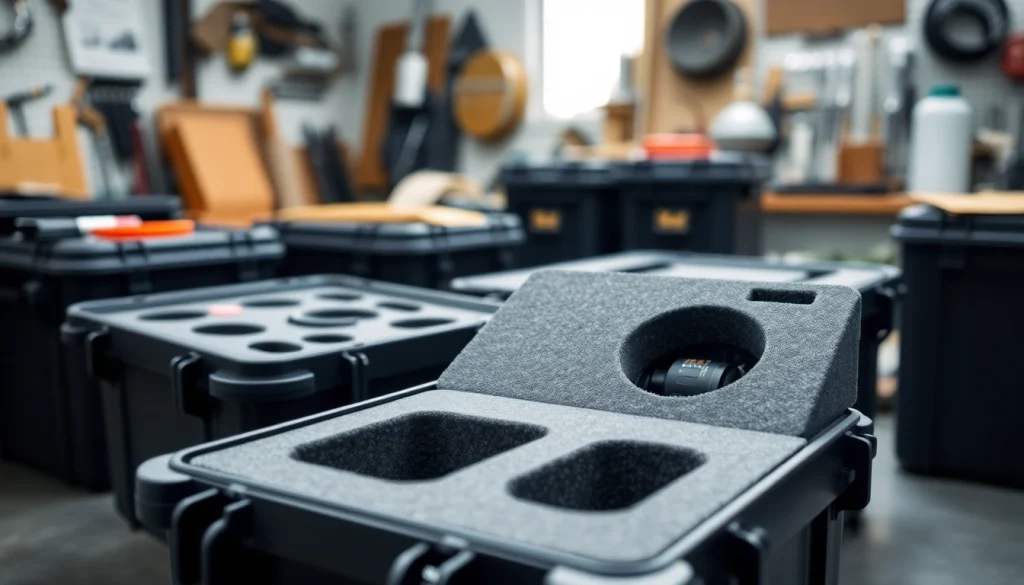
Protective foam Pelican Cases are specialized enclosures designed to safeguard valuable equipment from external hazards. Known for their durability, these cases are engineered to withstand harsh environments, delivering superior protection against impact, water, and dust. The foam interior can be customized or chosen based on specific needs, making them versatile for different applications ranging from photography gear to medical equipment.
Key Features and Benefits
One of the standout features of protective foam Pelican Cases is their ability to absorb shock and cushion items during transport. This is crucial for sensitive items that require a stable environment to avoid damage. Furthermore, many models are waterproof and dustproof, ensuring that equipment remains safe even in the most extreme conditions. The customizable foam allows users to tailor the internal structure to snugly fit their equipment, providing an added layer of security. For those interested in designing their protective solutions, informative resources about Protective foam Pelican Cases are readily available.
Types of Protective Foam Available
Protective foam for Pelican Cases typically comes in several forms, including:
- Pick N’ Pluck Foam: This foam type has a grid pattern that allows users to tear away squares to create custom cutouts tailored to individual items. This is ideal for those who wish to have flexibility without professional cutting.
- Die-Cut Foam: Pre-shaped foam that offers specific fit templates for various items. This type is excellent for users who want a secure fit without the need for customization.
- Kaizen Foam: This innovative foam supports layered organization, allowing users to rearrange components easily and customize layouts as needed.
Selecting the Right Protective Foam for Your Needs
Assessing Your Equipment
Identifying the type of equipment you need to protect is a crucial first step. Consider both the dimensions and the fragility of your items to guide your foam selection process. Photography gear, for instance, may require softer foam to prevent scratches, while heavy tools may necessitate firmer foam for durability. It’s essential to accurately measure each item and factor in accessories that accompany the main equipment.
Custom vs. Pre-Designed Foam Solutions
Your protective foam options typically fall into two categories: custom and pre-designed solutions. Custom foam inserts allow for precise molding around your equipment, which is beneficial for high-value items that require maximum protection. Conversely, pre-designed options may be ideal for users looking for cost-effective or quicker solutions without the need for unique specifications. Understanding your requirements will help in making the right choice.
Factors to Consider: Size and Density
The size of the foam insert must accurately match the external dimensions of the Pelican Case while ensuring an appropriate internal layout for your gear. Density is another crucial factor, as it influences the foam’s ability to absorb impact. Higher density foams tend to provide better protection but can also be heavier. Striking a balance between weight and protection level is essential for mobility and performance.
Customization Options for Protective Foam Pelican Cases
How to Design Custom Foam Inserts
Designing custom foam inserts involves meticulous planning and measurement. Begin by tracing the outline of your equipment, ensuring each piece’s dimensions are captured accurately. Use foam design tools or software that can help visualize the end result. Once the model is ready, consult with manufacturers or retailers who specialize in foam inserts for Pelican Cases to create your bespoke solution.
Choosing Between Pick N’ Pluck and Die-Cut Foam
The choice between Pick N’ Pluck and die-cut foam largely depends on user preference and equipment specifics. Pick N’ Pluck is excellent for those seeking adaptability, while die-cut foam is suited for complete peace of mind with a guaranteed fit. If your items frequently change or you have new additions to your kit, Pick N’ Pluck might be the better option. Alternatively, for a standardized setup, die-cut foam could be more efficient.
Adjustable Foam Solutions
Adjustable foam solutions provide versatility for users with variable gear sets. Layers of foam can be added or removed based on the equipment requirements. This flexibility not only accommodates different gear but allows users to swap items in and out with minimal hassle. Such solutions are particularly beneficial for professionals whose equipment frequently changes.
Care and Maintenance of Protective Foam Pelican Cases
Cleaning and Upkeep for Longevity
Maintaining your protective foam and case involves routine cleaning and care. Clean the foam using a damp cloth and mild soap, ensuring that you avoid soaking it. It’s vital to eliminate dirt and debris, which can degrade protection over time. In addition, periodic inspections for frays or tears will help ensure the foam remains intact and provides maximum protection during use.
Repairing Worn or Damaged Foam
When foam begins to wear or sustain damage, addressing the issue promptly is important. Small rips may be repaired using specialty tape designed for foam, while more extensive damage may necessitate a complete replacement of the affected section. Having backup foam inserts can be advantageous for addressing such wear and tear efficiently.
When to Replace Foam Inserts
Recognizing when it’s time to replace foam inserts is crucial for continued protection of your gear. Signs include visible wear, loss of form, or an inability to securely hold items in place. Regular inspections will help identify any compromising conditions, ensuring your equipment remains safe and protected during transit.
FAQs About Protective Foam Pelican Cases
How do I measure my equipment for a foam insert?
To measure your equipment, use a caliper or measuring tape to get accurate dimensions. Measure length, width, and height while accounting for additional accessories that may affect the fit.
What materials are used in protective foam?
Protective foam is typically made from polyurethane or polyethylene, both of which provide lightweight, durable cushioning. These materials are chosen for their shock-absorbing properties.
Can I modify an existing foam insert?
Yes, existing foam inserts can often be modified to better fit your equipment. Techniques include cutting additional sections or reshaping existing cavities using a sharp blade.
How often should I replace the foam in my Pelican case?
It’s advisable to inspect foam inserts regularly and replace them when signs of wear appear, or when foam can’t provide adequate support and cushion for your gear.
Are custom foam inserts worth the investment?
Custom foam inserts often align better with specific equipment needs, providing enhanced protection. For high-value tools, the investment is typically justified due to the added security.