Understanding CNC Machining Processes for Stainless Steel Parts
In the realm of modern manufacturing, CNC (Computer Numerical Control) machining has emerged as a transformative technology, especially in the production of stainless steel parts. This sophisticated method allows for the precise and efficient creation of complex components that meet the stringent demands of various industries, from aerospace to medical devices. As businesses shift towards automation and high-quality production, the role of cnc stainless steel parts suppliers becomes increasingly vital in facilitating access to these advanced manufacturing capabilities.
What is CNC Machining?
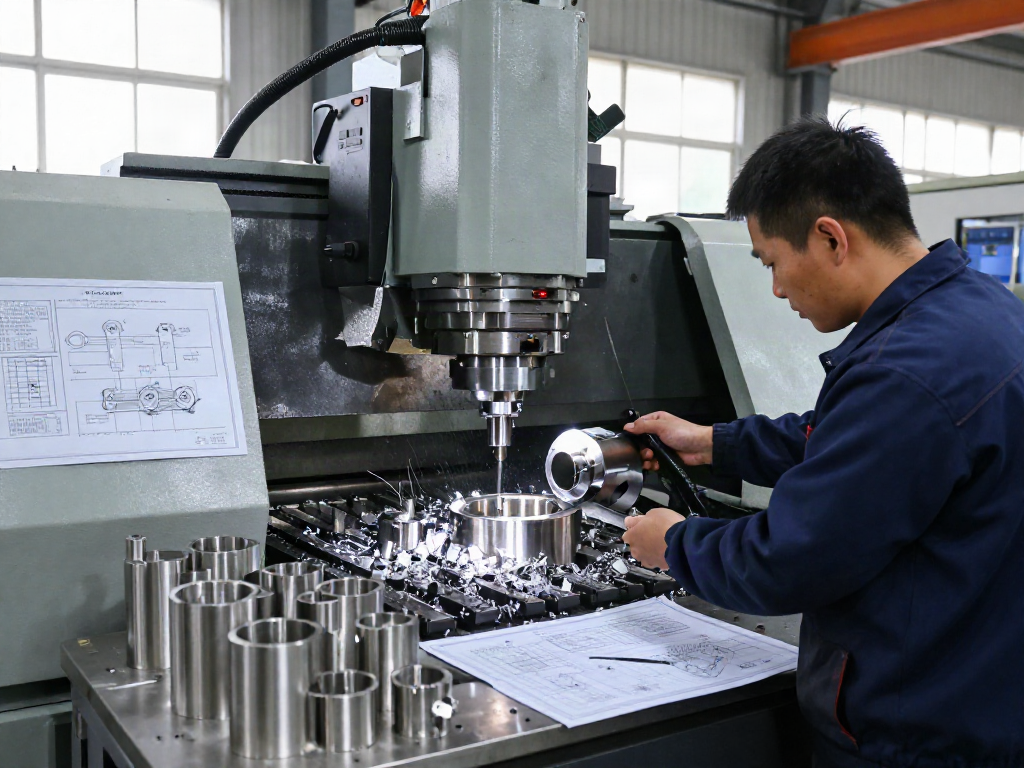
CNC machining is a subtractive manufacturing process that utilizes computer-controlled tools to remove material from a workpiece. This process begins with a digital design file, often created through CAD (Computer-Aided Design) software, which guides the CNC machine in executing precise movements and cuts. Common operations include milling, turning, drilling, and grinding, enabling the production of intricately designed parts with high accuracy and repeatability.
Key Benefits of Using CNC for Stainless Steel Parts
The adoption of CNC machining for stainless steel parts offers several distinct advantages:
- Precision: CNC machines can produce parts with tolerances as tight as ±0.001 inches, ensuring that components fit perfectly within assemblies.
- Consistency: Once programmed, CNC machines can produce identical parts in large volumes without variation, making them ideal for mass production.
- Flexibility: Easy modifications to the CAD file allow for rapid changes in design without the need for new tooling or setup.
- Automation: Many CNC machines can operate autonomously, reducing labor costs and improving production efficiency.
Types of CNC Machines for Stainless Steel Manufacturing
Several types of CNC machines are employed in the production of stainless steel parts, each designed for specific tasks:
- CNC Mills: These machines use rotary cutting tools to remove material from the surface of the workpiece, ideal for creating complex shapes.
- CNC Lathes: Designed for cylindrical parts, CNC lathes rotate the workpiece against a cutting tool, enabling the creation of round shapes with excellent surface finishes.
- CNC Plasma Cutters: Useful for cutting thick stainless steel plates, these machines utilize plasma torches to melt stainless steel and create precise cuts.
- CNC Waterjet Cutters: These machines use high-pressure water mixed with abrasives to cut through materials, allowing for intricate designs without thermal distortion.
The Role of CNC Stainless Steel Parts Suppliers in Modern Industry
CNC stainless steel parts suppliers play a crucial role in the manufacturing ecosystem. They bridge the gap between OEMs (Original Equipment Manufacturers) and the necessary machining capabilities. A reliable supplier not only provides good quality parts but also ensures swift production times and scalability to accommodate fluctuating demand. Their expertise can help manufacturers streamline operations and reduce costs.
How Suppliers Enhance Production Efficiency
By collaborating with CNC stainless steel parts suppliers, manufacturers can enhance their production efficiency in several ways:
- Rapid Prototyping: Suppliers often provide rapid prototyping services, allowing businesses to test designs quickly before full-scale production.
- Material Sourcing: Suppliers typically have access to a wide range of stainless steel grades, ensuring the right material properties for specific applications.
- Advanced Technologies: Many suppliers invest in the latest machining technologies, providing customers with superior quality and reducing downtime.
Impact of Quality Assurance in CNC Manufacturing
Quality assurance is paramount in CNC machining. Suppliers implement rigorous quality control measures, including the use of advanced inspection tools and techniques, to ensure that every part meets predefined specifications. This focus on quality minimizes defects and reduces rework costs, ultimately improving the bottom line for manufacturers.
Choosing the Right Supplier: What to Look For
When selecting a CNC stainless steel parts supplier, consider the following criteria:
- Technical Expertise: Look for suppliers with a proven track record in CNC machining of stainless steel.
- Production Capabilities: Evaluate their machinery, technologies, and capacity to handle your specific production needs.
- Lead Times: Assess their ability to meet your project timelines. Quick turnaround can be crucial in competitive industries.
- Certifications: Suppliers should have relevant industry certifications, which demonstrate their commitment to quality and best practices.
Emerging Trends in CNC Stainless Steel Parts Production
The landscape of CNC machining is continuously evolving, with several trends shaping the future of stainless steel parts production:
Automation and Smart Manufacturing Technologies
The integration of automation and smart technologies into CNC machining processes has revolutionized production. From predictive maintenance to real-time monitoring, these technologies enhance operational efficiency and reduce downtime. Automation not only speeds up production but also improves safety by minimizing human intervention in dangerous environments.
Sustainability Practices Among Suppliers
As manufacturers face increasing pressure to minimize their environmental impact, sustainability is a growing concern in the CNC machining industry. Suppliers are adopting green practices such as reducing waste, recycling scrap materials, and utilizing energy-efficient machinery. This shift not only meets regulatory requirements but also appeals to eco-conscious consumers.
Future Innovations in CNC Machining Techniques
Innovations in CNC machining are ongoing, with advancements such as hybrid manufacturing systems, which combine additive and subtractive processes, presenting new possibilities for complex designs. These innovations can significantly reduce material waste and production times, thereby enhancing overall manufacturing efficiency.
Challenges and Solutions in CNC Machining
Despite its advantages, CNC machining also faces several challenges that stakeholders must navigate:
Common Misconceptions About CNC Stainless Steel Parts
Many misconceptions exist regarding CNC machining, including the belief that it is only suitable for high-volume production. In reality, CNC machining can be advantageous for both small and large runs, offering flexibility in production volume without sacrificing quality.
Addressing Quality Control Issues in Production
Quality control remains a challenge, particularly in high-speed environments. Implementing robust inspection protocols and utilizing advanced measurement technologies, such as laser scanning, can mitigate quality issues and ensure conformity to specifications.
Strategies for Reducing Lead Times and Costs
To remain competitive, manufacturers must focus on reducing lead times and production costs. Strategies include optimizing machining processes, utilizing just-in-time (JIT) manufacturing principles, and fostering strong partnerships with suppliers to streamline the supply chain.
Future Forecast: The CNC Stainless Steel Parts Industry in 2026
Looking ahead, the CNC stainless steel parts industry is expected to experience significant growth and transformation by 2026. The integration of new technologies and evolving market demands will shape its trajectory.
Market Growth Projections and Influencing Factors
The global market for CNC machined parts, particularly in stainless steel, is forecasted to expand substantially. Factors driving this growth include increased automation in manufacturing, technological advancements, and the rising demand for durable and corrosion-resistant materials in various sectors, including automotive and healthcare.
Technological Advancements on the Horizon
Emerging technologies, such as artificial intelligence and machine learning, are set to enhance CNC machining capabilities. These advancements can improve design optimization, predictive maintenance, and overall manufacturing speed, further solidifying CNC machining's role in modern production.
Expert Insights on the Future of Manufacturing
Industry experts predict that the future of CNC machining will see a strong emphasis on customization and personalization. As consumer preferences shift towards unique and tailored products, the ability to produce custom stainless steel parts efficiently will become a key differentiator for suppliers.
What are the advantages of CNC machining for stainless steel?
CNC machining offers precise tolerances, consistency across production runs, and the flexibility to adapt designs quickly, making it ideal for producing high-quality stainless steel parts.
How do I select a reliable CNC stainless steel parts supplier?
Look for suppliers with a proven track record, relevant certifications, advanced technologies, and a commitment to quality assurance and customer service.
What trends are shaping the future of CNC machining?
Key trends include automation, sustainability practices, and innovations like hybrid manufacturing systems that reduce waste and enhance production capabilities.
How does automation impact CNC machining processes?
Automation increases production efficiency, minimizes human error, and enhances safety in CNC machining environments, allowing for faster and more accurate operations.
What common challenges do CNC stainless steel parts suppliers face?
Challenges include quality control issues, misconceptions about production capabilities, and the need to reduce lead times and costs while maintaining high standards.