Introduction to Plastic Injection Molding Machines
The landscape of manufacturing is continually evolving, and one key player in this transformation is the plastic injection molding machine. These machines are at the heart of mass production, enabling the formation of intricate designs and precise components across various industries, from automotive to consumer products. As technological advancements push traditional boundaries, electric and hybrid models are gaining favor due to their efficiency and eco-friendliness. This article explores the significant features, benefits, and the future trajectory of these machines in modern manufacturing.
What is a Plastic Injection Molding Machine?
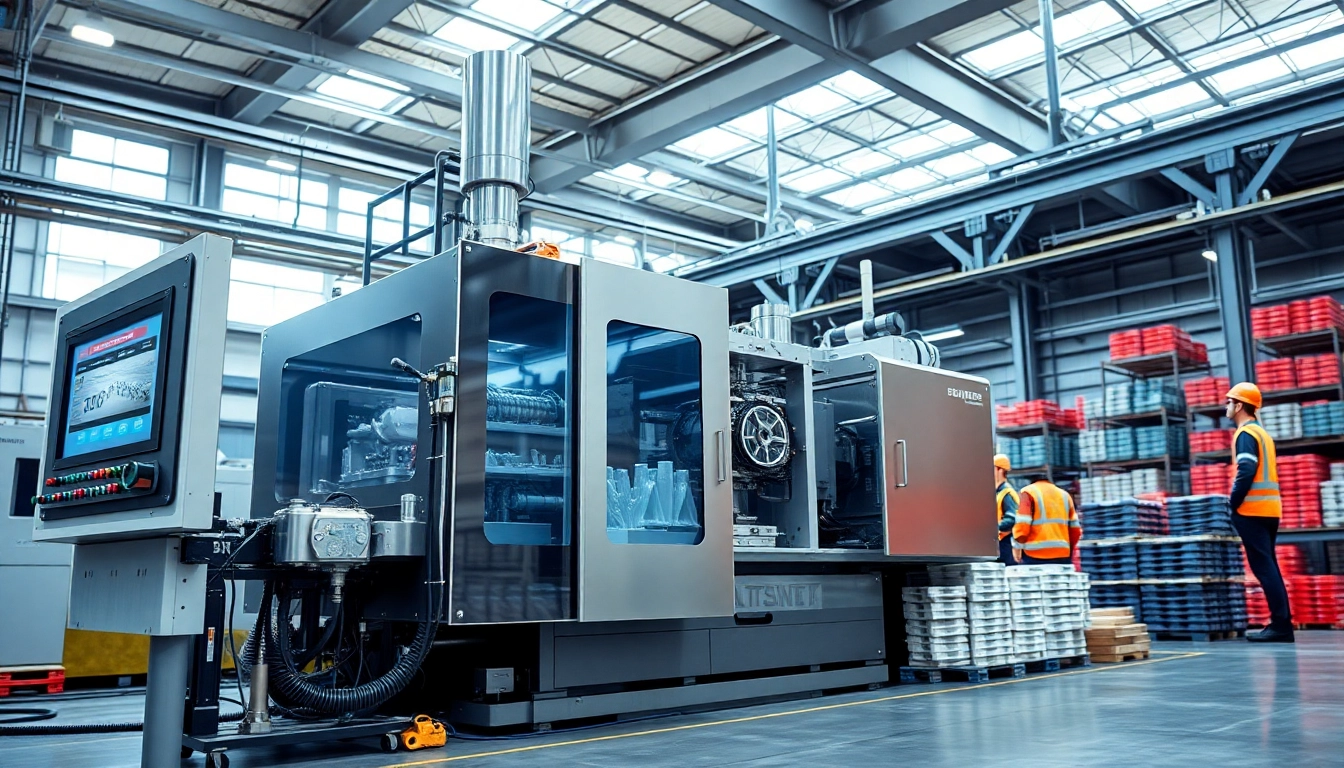
A plastic injection molding machine is a manufacturing tool used in the injection molding process to produce parts by injecting molten plastic into a mold. The machine consists of a hopper (for feeding plastic), a barrel (for heating the plastic), and a clamping unit (for holding the mold closed during injection). This method allows for the efficient mass production of complex shapes and is essential for high-volume manufacturing.
Historical Development and Evolution
The concept of injection molding dates back to the 19th century when the first machine was patented by John Wesley Hyatt in 1872. Initially using natural materials like shellac, the industry has since pivoted to synthetic plastics, dramatically changing the landscape of manufacturing. Over the decades, innovations led to the automation of processes, heralding the introduction of electric and hybrid machines that enhance precision and reduce energy consumption.
The Role of Injection Molding in Manufacturing
Injection molding plays a pivotal role in modern manufacturing. It allows for speed and precision, accommodating large production runs without significant downtime. The versatility of injection molding machines facilitates the production of complex designs that meet stringent specifications, making them integral to industries such as automotive, electronics, and consumer goods.
Key Features of Modern Plastic Injection Molding Machines
Overview of Electric vs. Hydraulic Models
Understanding the differences between electric and hydraulic injection molding machines is crucial for manufacturers when selecting equipment. Electric machines, such as the Topstar TEII series, are recognized for their energy efficiency and precise control, making them ideal for applications requiring tight tolerances. In contrast, hydraulic machines offer higher clamping forces and are often preferred for producing larger parts or when higher throughput is essential.
Technological Innovations Enhancing Efficiency
Modern plastic injection molding machines are equipped with various technological advancements to boost efficiency. Features such as:
- Discrete Intelligent Drive Control: This technology enhances positioning accuracy and pressure control, as seen in models like the TEII electric machine.
- Modular Design: Machines designed with modular components can be customized for different production requirements, improving versatility.
- Real-Time Feedback Systems: Integrated communication technologies allow operators to monitor the injection process, facilitating adjustments on the fly for optimal production quality.
Customization Capabilities for Diverse Applications
Today's manufacturers demand machines that can adapt to various applications. The ability to customize molding parameters and the machine configuration is essential. For instance, the Topstar TMII series integrates various auxiliary devices, allowing for seamless coordination in production lines. This flexibility ensures that companies can shift between product lines with minimal downtime and adapt to changing market needs.
Benefits of Using an Electric Plastic Injection Molding Machine
Energy Efficiency and Cost Savings
One of the hallmark benefits of electric plastic injection molding machines is their energy efficiency. Compared to traditional hydraulic models, electric machines consume significantly less energy, leading to lower operational costs. This efficiency can translate into substantial savings over time, making electric options increasingly appealing for manufacturers looking to optimize their production costs.
Precision Control in Production
Electric injection molding machines are engineered for high precision. The discrete intelligent drive control system enables accurate positioning and pressure application, resulting in consistently high-quality parts. This precision translates into fewer defects and reduced material waste, enhancing overall production quality.
Environmental Advantages of Electric Machines
As sustainability becomes a priority for manufacturers, electric injection molding machines offer significant environmental benefits. They produce less noise, generate lower emissions, and reduce energy consumption compared to their hydraulic counterparts. By investing in electric machines, companies can enhance their green credentials and meet environmental regulations more effectively.
Challenges and Considerations in Injection Molding
Common Issues with Injection Molding Machines
While injection molding offers numerous advantages, it is not without challenges. Some common issues include:
- Mold Maintenance: Regular maintenance is crucial to ensure molds remain in good condition and do not degrade over time.
- Production Downtime: Unexpected machine failures can halt production, leading to delays and increased costs.
- Material Selection: Choosing the wrong type of plastic or material for a specific application can lead to product failures.
How to Address Technical Challenges
To mitigate these challenges, manufacturers should invest in regular training for their staff and establish a robust maintenance schedule for their machines. Additionally, collaborating with suppliers for material testing can ensure that the right selections are made for optimal product performance.
Market Trends Affecting Production and Costs
The injection molding market is influenced by trends such as the rise of automation in manufacturing and the increasing demand for lightweight and biodegradable materials. As industries strive for efficiency, producers of plastic injection molding machines must keep pace by adapting to these trends and enhancing their offerings to meet the needs of a changing market.
The Future of Plastic Injection Molding Machines in 2025 and Beyond
Emerging Technologies Shaping the Industry
Looking ahead, several emerging technologies are poised to reshape the plastic injection molding landscape. Innovations in 3D printing and additive manufacturing are set to complement traditional injection molding processes, enabling rapid prototyping and reduced lead times. Moreover, advancements in Industry 4.0 technologies will further enhance machine connectivity and data analytics for predictive maintenance.
Predictions for Market Growth and Demand
The global plastic injection molding market is expected to see substantial growth through 2025, driven by the rising demand in automotive, consumer electronics, and packaging sectors. Companies that invest in advanced technologies and sustainable practices will likely capture a significant market share.
Best Practices for Integrating New Solutions
To remain competitive, manufacturers should focus on integrating the latest technologies into their production processes. This could involve upgrading existing machinery, investing in training for staff, and collaborating with technology providers to implement solutions that streamline operations and improve output quality.