Understanding Pond Plants: Types and Benefits
Pond plants are not merely decorative elements; they serve crucial roles in the aquatic ecosystem. From providing habitats for wildlife to improving water quality, these plants are indispensable for maintaining balanced and healthy pond environments. When exploring options, Pond Plants come in various forms and functions, making it essential for pond enthusiasts to understand their types and benefits.
Common Types of Pond Plants
Pond plants can be broadly categorized into several types, each with unique features and benefits. Here are some of the most common types:
- Submerged Plants: These plants, like Elodea and Hornwort, grow entirely underwater. They are essential for oxygenating the water and providing cover for small fish and aquatic insects.
- Floating Plants: Examples include Water Hyacinth and Duckweed. These plants float on the surface, providing shade and reducing algae growth by blocking sunlight.
- Marginal Plants: Found at the edges of ponds, plants like Cattails and Iris thrive in shallow water. They stabilize the pond bank and provide habitats for various species.
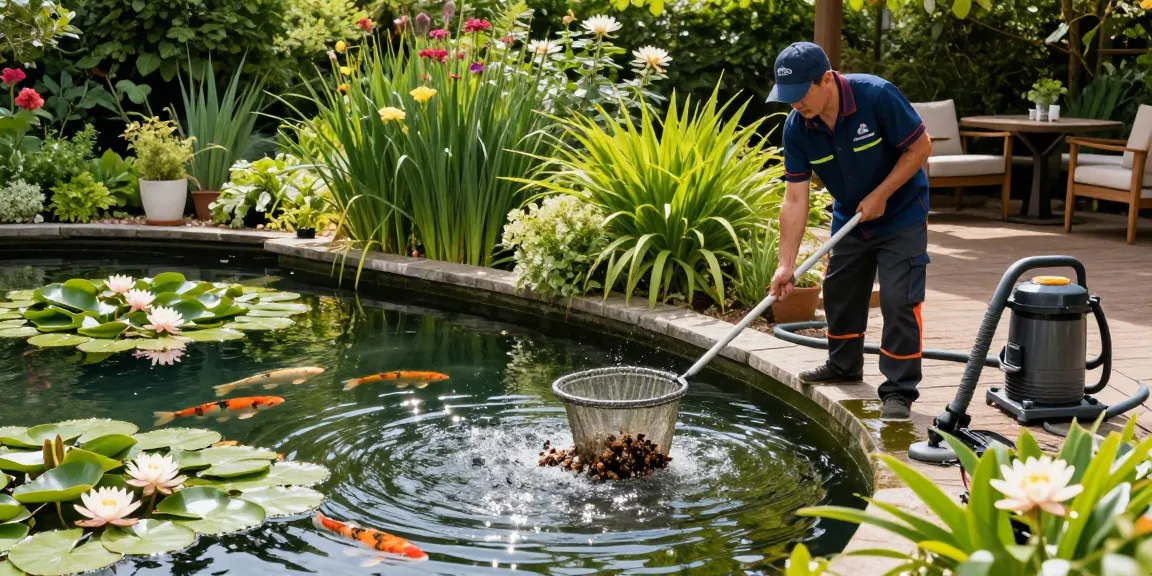
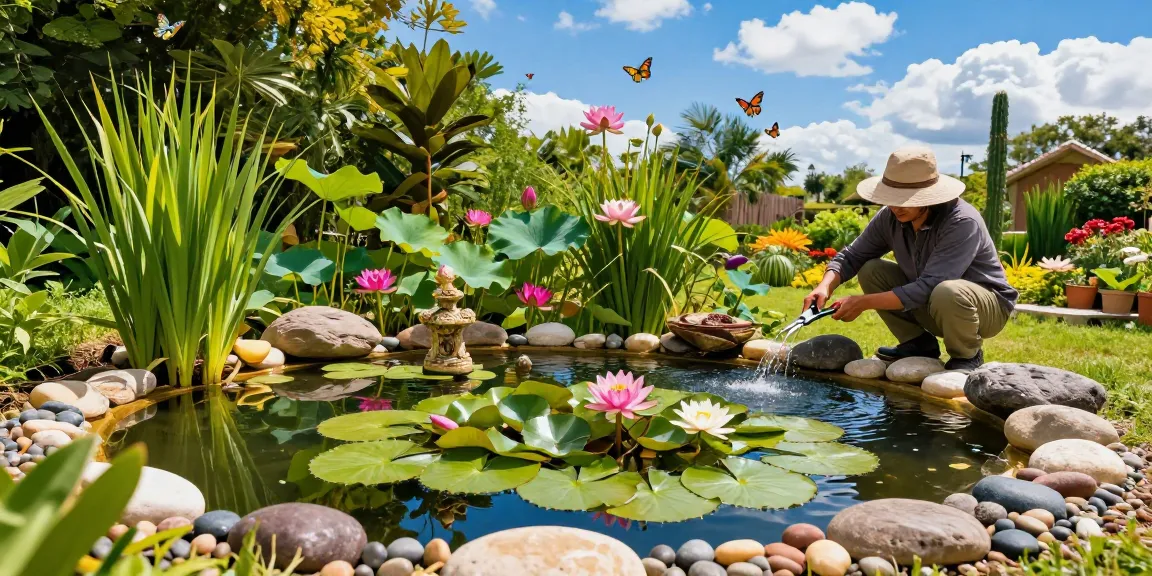
- Lily Pads: Water lilies not only add beauty to ponds but also offer shade and shelter for aquatic life below.
Benefits of Incorporating Pond Plants
Integrating diverse pond plants into an aquatic ecosystem offers numerous advantages. Here are some key benefits:
- Water Quality Improvement: Pond plants absorb excess nutrients and pollutants, helping to keep the water clean and clear.
- Habitat for Wildlife: They provide breeding grounds and shelter for fish, frogs, and a variety of insects.
- Algae Control: By competing for nutrients, pond plants naturally suppress algae growth, which can otherwise disrupt the ecosystem.
- Aesthetic Appeal: A well-planted pond enhances the visual appeal of any garden, creating a tranquil environment for relaxation.
Identifying High-Quality Pond Plants
Choosing high-quality pond plants is crucial for establishing a thriving aquatic environment. Healthy plants not only grow better but also contribute positively to the ecosystem.
Signs of Healthy Pond Plants
When selecting pond plants, look for certain signs of health:
- Vibrant Color: Healthy plants should exhibit bright and vibrant foliage. Dull or discolored leaves indicate stress or poor health.
- Robust Growth: Check for strong stems and ample leaf growth, as weak or stunted growth can signal underlying issues.
- Free from Pests: Inspect the plants for any signs of pests or fungal infections, which can spread and affect other plants.
How to Avoid Low-Quality Plants
To ensure the best results, avoid low-quality pond plants by following these tips:
- Research Suppliers: Purchase from reputable suppliers known for their healthy stock and excellent customer service.
- Inspect Before Buying: If possible, examine the plants in person before making a purchase to assess their health.
- Check for Certification: Look for suppliers who adhere to local regulations regarding aquatic plants to ensure they are not invasive species.
Trusted Suppliers and Where to Buy
Finding reliable sources for pond plants is essential. Local nurseries, garden centers, and online retailers specialized in aquatic plants can be excellent places to start. Many reputable suppliers offer a wide range of options, ensuring that you can find the plants best suited to your pond's specific needs.
Maintenance Tips for Thriving Pond Plants
Once you have established pond plants, proper maintenance is key to their ongoing health and beauty. Proper care can prolong their lifespan and enhance your pond's ecosystem.
Best Practices for Care and Maintenance
To keep your pond plants thriving, implement these best practices:
- Regular Pruning: Trim back overgrown plants to promote healthy growth and prevent overcrowding.
- Fertilization: Use a slow-release aquatic fertilizer designed specifically for pond plants to support nutrient uptake.
- Water Testing: Regularly test the water quality to ensure the pH and nutrient levels are appropriate for plant health.
Common Pests and Diseases to Watch Out For
Pond plants, like all plants, are susceptible to various pests and diseases. Common issues include:
- Aphids: These small insects can infest plants, sucking sap and weakening them.
- Fungal Infections: Signs include discolored leaves and rot; prompt removal of affected plants can prevent spread.
- Snails: While they can be beneficial, overpopulation may lead to excessive damage to young plants.
Seasonal Care Guidelines for Pond Plants
Knowing how to care for pond plants during different seasons is crucial:
- Spring: Begin by cleaning the pond and adding fertilizers to encourage growth as plants emerge from dormancy.
- Summer: Monitor water levels and weed growth; ensure plants receive adequate sunlight.
- Autumn: Trim back dead or dying foliage and prepare plants for winter by providing insulation, if necessary.
- Winter: In colder climates, consider removing sensitive plants to prevent frost damage.
Common Misconceptions About Pond Plants
Several misconceptions surround the care and management of pond plants, which can lead to poor choices and practices.
Debunking Myths About Pond Plant Care
Here are some common myths and the facts that debunk them:
- Pond Plants Require Constant Maintenance: While they do need care, many pond plants are low-maintenance once established.
- All Aquatic Plants Are Invasive: While some may be, many species are beneficial and non-invasive, contributing positively to pond health.
Understanding Aquatic Ecosystems
To care for pond plants effectively, it's essential to understand the broader aquatic ecosystem. Healthy ponds contain a balance of flora and fauna, each element playing a crucial role. Enhancing one aspect, like plant life, can significantly improve the overall health of the ecosystem.
Addressing Environmental Impact Concerns
There are increasing concerns about the environmental impact of certain pond plants. It's vital to choose native species that support local wildlife and ecosystems while avoiding those that can become invasive.
The Future of Pond Plants: Trends for 2026 and Beyond
As environmental awareness grows, the future of pond plants looks promising, with trends evolving to meet both aesthetic and ecological needs.
Innovative Practices in Aquatic Gardening
The gardening community is increasingly adopting innovative practices such as permaculture principles in pond gardening, emphasizing sustainable plant selection and maintenance techniques that promote ecosystem balance.
Emerging Plant Species to Watch
As the interest in biodiversity grows, several emerging species are being highlighted for their ornamental and ecological value. Researching these options may offer fresh additions to your pond.
How Technology is Enhancing Pond Gardening
Advancements in technology, such as automated water quality monitoring systems and online plant databases, are making it easier for pond enthusiasts to maintain healthy aquatic environments.
What Are the Best Pond Plants for 2026?
As we look into 2026, the best pond plants will likely be those that not only serve aesthetic purposes but also contribute to the health and sustainability of aquatic ecosystems. Native varieties will continue to be favored for their low maintenance and positive ecological impact.