Understanding Natural Astaxanthin: What It Is
Natural astaxanthin is a potent carotenoid pigment that belongs to the family of antioxidants. Derived primarily from microalgae, it is best known for its vibrant pink-red color, commonly recognized in seafood such as salmon and shrimp. Astaxanthin has been gaining popularity in the health and wellness community due to its array of benefits, particularly its powerful antioxidant properties which are believed to be 6000 times stronger than vitamin C. When exploring options, natural astaxanthin provides comprehensive insights into enhancing overall health and wellness.
What Makes Astaxanthin a Powerhouse Antioxidant?
Astaxanthin is particularly renowned for its ability to combat oxidative stress within the body. This oxidative stress arises from free radicals—unstable molecules that can damage cells and lead to chronic diseases. The unique molecular structure of astaxanthin allows it to cross cell membranes, providing protection for both the inner and outer parts of the cell. Unlike other antioxidants, astaxanthin does not become a free radical itself after neutralizing oxidative stress. This unique property makes it a powerful ally in supporting cellular health and longevity.
Natural Sources of Astaxanthin: Where to Find It
Natural astaxanthin can primarily be found in the following sources:
- Microalgae: The most significant source, specifically the species Haematococcus pluvialis, is known for its high astaxanthin content.
- Seafood: Fish like salmon, trout, and shrimp are popular culinary sources of astaxanthin, contributing to their pink coloration.
- Birds: Flamingos and certain species of shrimp and krill derive their color primarily from astaxanthin.
Integrating these foods into your diet can be a delicious way to boost your intake of this powerful antioxidant.
How Astaxanthin Compares to Other Supplements
In the world of dietary supplements, astaxanthin stands out for its unique benefits. While other antioxidants like vitamin E and C are beneficial, they do not match astaxanthin's multifaceted approach to health. Studies have shown that astaxanthin can enhance endurance, improve muscle recovery, and reduce inflammation more effectively than many traditional supplements. This quality makes it particularly appealing to athletes and health enthusiasts alike.
Health Benefits of Natural Astaxanthin
The health benefits of natural astaxanthin are extensive and supported by a growing body of research. As more studies emerge, the potential positive effects continue to fascinate health professionals and consumers.
Enhancing Athletic Performance: The Astaxanthin Advantage
Astaxanthin has been extensively researched for its performance-enhancing capabilities. Athletes may experience improved endurance and reduced muscle soreness. One study found that supplementation with astaxanthin led to an increase in exercise performance and a decrease in recovery time.
Skin Health and Protection from UV Damage
Astaxanthin is often touted as a skincare superhero. Its antioxidant properties help protect the skin from harmful UV rays, reducing the risk of skin damage and aging. Clinical studies suggest that it may improve skin elasticity and moisture retention, making it a sought-after ingredient in cosmetics and dermatological products.
Astaxanthin and Eye Health: What the Research Says
Research indicates that astaxanthin may play a significant role in eye health. It has been shown to help reduce eye strain and fatigue, particularly for those who spend extended hours in front of computer screens. Its protective qualities may also reduce the risk of age-related macular degeneration, supporting overall vision health.
Challenges in Sourcing Quality Astaxanthin
Despite its many benefits, sourcing high-quality astaxanthin can be a challenge. Consumers should be aware of certain factors that can affect the quality of astaxanthin products.
Identifying Reputable Suppliers of Natural Astaxanthin
When looking to purchase astaxanthin, it's crucial to identify reputable suppliers. Ensure that the product is derived from natural sources rather than synthetic ones. Review third-party testing and certifications to guarantee quality and purity.
Common Misconceptions About Astaxanthin
There are several misconceptions surrounding astaxanthin. Some believe that all astaxanthin products are created equal, while others think that dietary sources alone are sufficient for adequate intake. Understanding the differences between natural and synthetic astaxanthin can help consumers make informed decisions.
Labeling and Ingredient Transparency: What to Look For
Transparency in labeling is essential when choosing astaxanthin supplements. Look for clear information about sourcing, extraction methods, and any additional ingredients. Products that lack transparency may not provide the health benefits you expect.
Incorporating Natural Astaxanthin Into Your Diet
Integrating natural astaxanthin into your daily routine can be both enjoyable and beneficial. Here are practical ways to include it in your diet.
Delicious Recipes Featuring Astaxanthin-Rich Foods
Incorporate astaxanthin-rich foods into your meals. Here are some ideas:
- Salmon Salad: Fresh salmon, mixed greens, and a lemon vinaigrette make a healthy, nutrient-dense meal.
- Shrimp Stir-Fry: Quick sautéing shrimp with vegetables is a delicious way to consume astaxanthin.
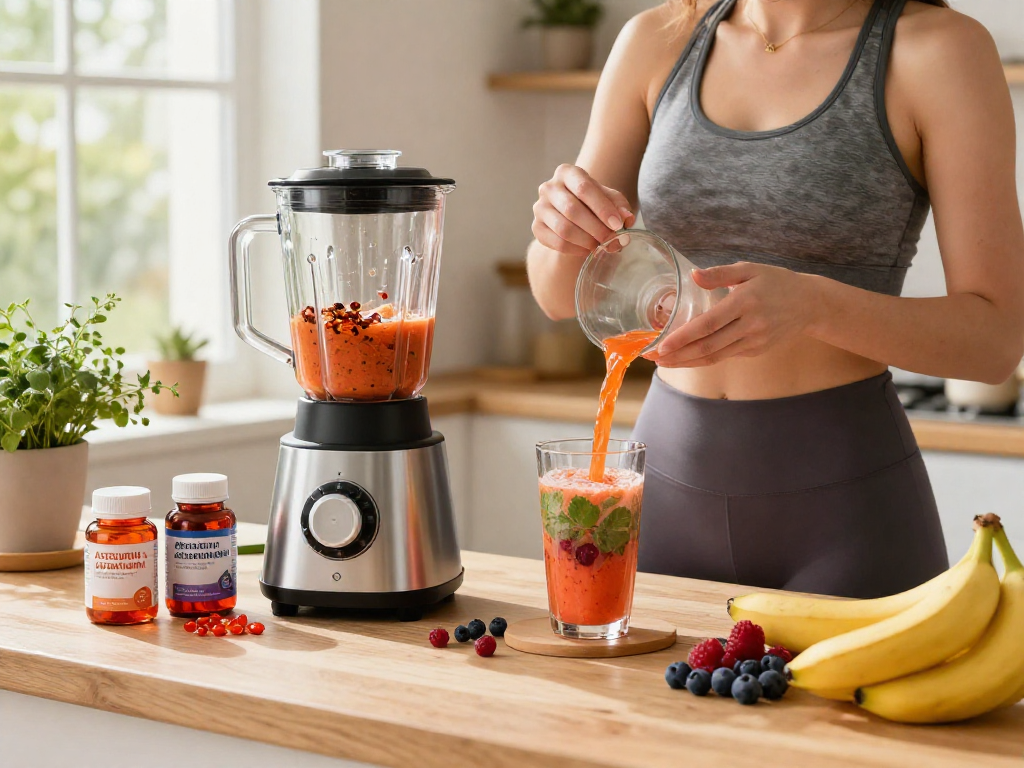
- Algal Oil Smoothies: Adding algal oil to smoothies can boost your intake of this powerful antioxidant.
Supplementation: Dosage and Timing for Optimal Results
For those who prefer supplementation, it’s important to understand the ideal dosage and timing. Most studies suggest a daily dosage ranging from 4 to 12 mg of astaxanthin, but individual needs may vary. Taking astaxanthin with a meal containing fat can enhance absorption.
Combining Astaxanthin with Other Nutrients for Maximum Benefits
Combining astaxanthin with other antioxidants, such as vitamin E and coenzyme Q10, may provide cumulative benefits. This synergistic effect can enhance your body’s ability to fight oxidative stress.
Future Trends in Astaxanthin Research and Use
The landscape of research around astaxanthin is continually evolving, with emerging studies and trends that promise exciting developments.
Emerging Studies and Innovations in 2026
As of 2026, new studies are underway exploring the broader applications of astaxanthin, including its potential in managing chronic conditions such as diabetes and cardiovascular diseases. Researchers are investigating its role in cognitive health as well.
The Growing Market for Natural Astaxanthin: Opportunities Ahead
With the increasing awareness of natural health products, the market for astaxanthin is expected to grow significantly. Consumers are more informed, driving demand for high-quality, sustainably sourced astaxanthin supplements.
How Consumer Awareness is Shaping Astaxanthin Demand
Consumer awareness about the health benefits of astaxanthin is influencing market trends. As people become more health-conscious, they are actively seeking quality supplements. Transparency in sourcing and effectiveness are now crucial factors in purchasing decisions.
What is natural astaxanthin?
Natural astaxanthin is a carotenoid derived from algae that has powerful antioxidant properties, protecting cells from oxidative damage and promoting overall health.
Can natural astaxanthin improve athletic performance?
Yes, natural astaxanthin can enhance athletic performance by improving endurance and reducing muscle soreness, helping athletes recover more quickly.
Is it safe to take astaxanthin supplements daily?
Current research indicates that astaxanthin is safe for daily consumption within recommended dosages, but it is advisable to consult with a healthcare professional before starting any new supplement.
How do I choose the best astaxanthin supplement?
Look for supplements that contain natural astaxanthin sourced from microalgae, have third-party testing for purity, and offer clear labeling of all ingredients.
Are there side effects associated with natural astaxanthin?
Generally, natural astaxanthin is well-tolerated. However, potential side effects may include digestive distress or changes in skin coloration in rare cases. Always consult with a healthcare provider regarding any concerns.