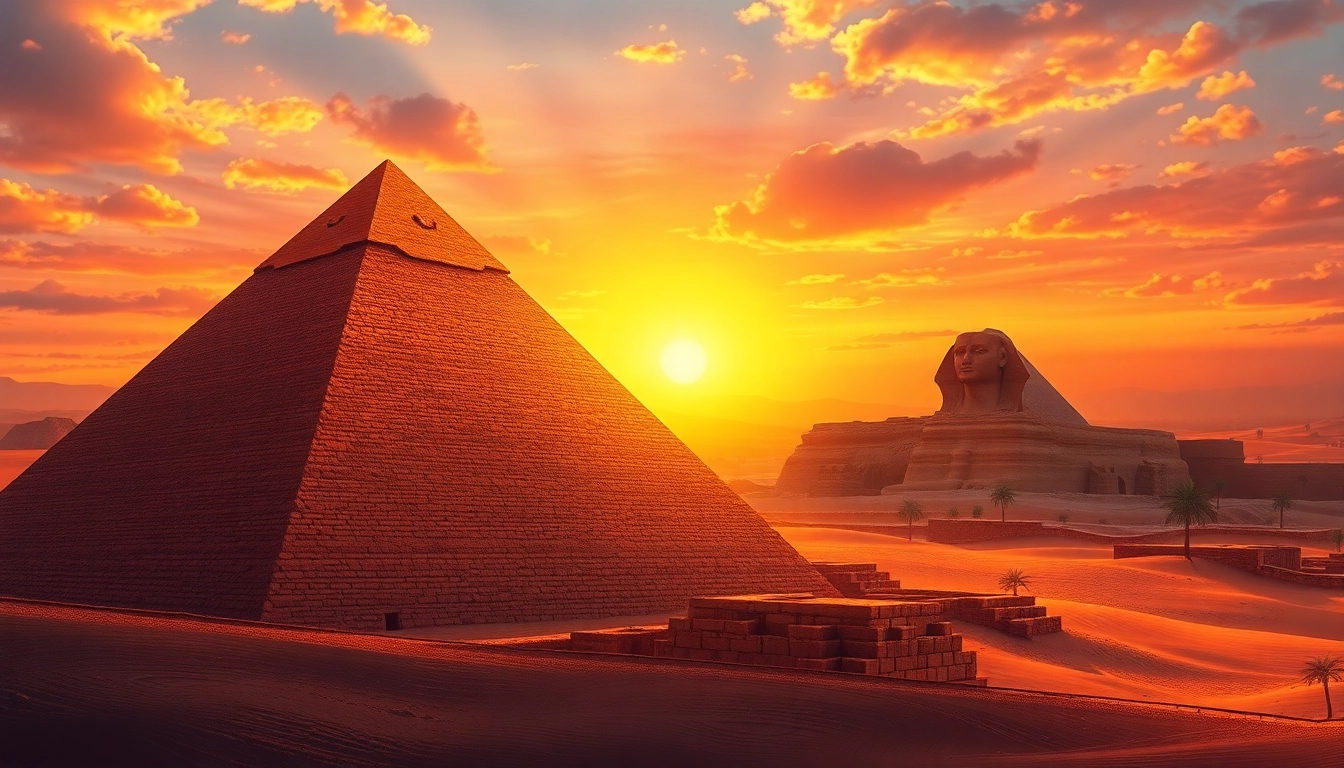
Throughout the annals of history, few structures have captivated human imagination like the pyramids of Egypt. Standing as iconic testaments to ancient engineering, these monumental edifices have not only served as royal tombs but also as enduring symbols of the power and spiritual beliefs of the Egyptian civilization. At https://piraminds.com/, we delve into the intricate details surrounding these magnificent structures, exploring their historical significance, architectural brilliance, construction methodologies, cultural impact, and the ongoing research that continues to unveil their secrets.
Understanding the Pyramids of Egypt
The Historical Significance of the Pyramids
The Egyptian pyramids stand as influential markers of a civilization that flourished for over three millennia. Constructed primarily during the Old and Middle Kingdoms, these structures reflect the socio-political dynamics, religious beliefs, and technological advancements of their time. Each pyramid served as a complex of temples, chapels, and tombs, designed to facilitate the pharaoh's journey to the afterlife, thereby reinforcing the ruler's divine status. The most famous, the Pyramids of Giza, namely Khufu, Khafre, and Menkaure, embody not just the grandeur of burial sites, but also the zenith of pyramid construction techniques.
Pyramid Architecture and Design
Architecturally, the pyramids are marvels of design—each faces cardinal directions and aligns impeccably with astronomical features. The Great Pyramid of Khufu, the largest of them all, originally stood at about 146.6 meters and was constructed with approximately 2.3 million stone blocks, each weighing between 2.5 to 15 tons. The casing stones, polished to a smooth finish, reflected sunlight, giving a glimmering appearance that must have struck awe in onlookers. Internally, the pyramids feature intricate passageways and chambers, including the King's Chamber, which housed the sarcophagus, believed to be essential for the pharaoh's journey into the afterlife.
The Role of Pyramids in Ancient Egyptian Culture
In ancient Egyptian culture, the pyramids were more than mere tombs; they were integral to the spiritual beliefs surrounding the afterlife. The resurrection of the king was a central tenet of Egyptian theology, and the pyramid served as a means to ascend to the heavens. The burial practices associated with pyramid construction included embalming, mummification, and the interment of grave goods, intended to cater to the pharaoh’s needs in the afterlife. This practice not only indicates the reverence held for the deceased ruler but also emphasizes the elaborate funerary rituals of ancient Egyptians, signifying their beliefs in immortality.
Construction Techniques of the Pyramids
Methods Used by Ancient Builders
The construction of the pyramids is an ongoing subject of research and intrigue. It is generally accepted that a combination of skilled labor, ingenious planning, and resource mobilization facilitated the creation of these colossal structures. Materials were quarried locally, and the transportation of stone blocks from quarries to construction sites was a monumental feat, likely involving teams of laborers using sledges lubricated with water to reduce friction. Temporary ramps—either straight, zigzagging, or circular—are hypothesized to have been employed to move the stones into position. The workforce, often consisting of seasonal laborers who participated during the flooding of the Nile, underscores the grand scale of such undertakings.
Materials and Tools Insights
The primary materials used in pyramids included limestone, granite, and basalt. Limestone blocks were often used for the core structure while casing stones made of Tura limestone provided a polished surface. Tools such as copper chisels, wooden sledges, and stone hammers played vital roles in the quarrying process. While contemporary technologies might seem primitive, the effectiveness of these tools when operated by skilled craftsmen facilitated the precision evident in pyramid construction.
Innovations in Pyramid Construction
Ancient Egyptians exhibited remarkable engineering prowess, integrating innovative techniques that later influenced subsequent architectural advancements. For instance, the design of the pyramid’s base employed a geometric principle that minimized its center of gravity, enabling stability. Moreover, the strategic alignment with celestial stars emphasized their cosmological beliefs, providing a dual purpose—both functional and spiritual.
The Influence of Pyramids on Modern Architecture
How the Pyramids Inspired Modern Design
The influence of pyramids extends far beyond antiquity; their geometric precision and monumental scale have inspired modern architects and designers. Structures from skyscrapers to museums have taken cues from pyramid designs, utilizing similar geometric forms and spatial principles to convey strength and stability. Iconic examples include the Louvre Pyramid in Paris and the Luxor Hotel in Las Vegas, showcasing how ancient architectural elements continue to shape contemporary aesthetics.
The Pyramids in Popular Culture
Beyond architecture, the allure of the pyramids permeates various aspects of popular culture—from films to literature and music. Movies such as "The Mummy" and documentaries exploring their history have fostered global fascination, inspiring countless interpretations and fictional narratives. This cultural resonance emphasizes the pyramids' status not only as archaeological wonders but also as symbols of mystery, adventure, and human ingenuity in storytelling.
Architecture Lessons from the Pyramids
Modern architects can draw lessons from the construction techniques and architectural philosophies of the pyramids. The emphasis on sustainability, durability, and integration with the environment remains pertinent today. Architects increasingly seek solutions that mirror the pyramids' longevity, which was a result of careful material selection and climatic consideration. Moreover, collaborative practices that engaged a broad labor force speak to contemporary efforts in community-driven design initiatives.
Visiting the Pyramids: A Traveler’s Guide
Best Times to Visit the Pyramids
The best time to visit the pyramids typically falls between October and April when the weather is cooler and more pleasant for exploration. Spring and autumn provide mild temperatures, making it comfortable to roam the expansive Giza Plateau and absorb the magnificence of the structures without heat fatigue. Planning your visit during the early morning or late afternoon can also help avoid crowds while providing exceptional lighting for photographs.
Key Attractions Around the Giza Plateau
A visit to the pyramids is most rewarding with exploration of the surrounding attractions. The Great Sphinx of Giza, standing guard over the plateau, offers a blend of history and mystery. The solar boat museum, just south of the Great Pyramid, showcases the ancient funerary vessels that were believed necessary for the afterlife. Additionally, the nearby pyramids of Saqqara and Dashur present opportunities to explore earlier architectural attempts and various evolutionary stages of pyramid design.
Travel Tips for an Unforgettable Experience
When visiting the pyramids, consider booking guided tours that provide historical context and insider knowledge. Dress comfortably and be prepared for a lot of walking, as the sites are expansive. Stay hydrated and protect yourself from the sun with appropriate clothing and sunscreen. Lastly, don’t miss the unique camel rides available around the plateau for a truly immersive experience of the Egyptian landscape.
Research and Discoveries Related to the Pyramids
Recent Archaeological Findings
Recent archaeological discoveries, including the identification of hidden chambers and previously undiscovered tombs in the vicinity of the pyramids, continue to reshape our understanding of these ancient structures. Techniques such as muon tomography have enabled scientists to peer through the pyramid's stones, allowing for the identification of voids and passages without invasive digging. These findings not only spark excitement within the archaeological community but also provide new insights into ancient Egyptian society.
Technological Advances in Pyramid Studies
Technology is playing an increasingly vital role in the exploration of pyramids and the understanding of their construction. 3D scanning, laser imaging, and drone technology are being utilized to create detailed models and maps that were previously impossible, allowing researchers to analyse structures from varying perspectives. Such technologies are crucial in preserving the integrity of the sites while unveiling their secrets.
Future Exploration Plans for Pyramids
Future exploration plans for the pyramids involve interdisciplinary research that combines archaeology, anthropology, and engineering. Initiatives to employ advanced imaging technologies and environmental science aim to ensure the preservation of the sites against the effects of modernity. Collaborative research projects with institutions across the globe are set to deepen our comprehension of the pyramids and their role in ancient Egyptian civilization, potentially leading to astonishing new discoveries.
Frequently Asked Questions
1. When were the pyramids built?
The majority of the Egyptian pyramids were constructed during the Old and Middle Kingdom periods, between approximately 2686 to 1650 BCE.
2. How many pyramids exist in Egypt?
There are over 100 pyramids documented in Egypt, with the most famous ones located on the Giza Plateau.
3. What is the purpose of the pyramids?
The pyramids served as monumental tombs for pharaohs, designed to facilitate their passage into the afterlife while demonstrating their power and divine association.
4. How were the pyramids constructed without modern technology?
Ancient Egyptians utilized simple tools, manpower, and ingenious techniques like ramps and sledges to transport and position the massive stone blocks.
5. Can visitors enter the pyramids?
Yes, many of the pyramids, including the Great Pyramid, have internal chambers that visitors can explore, but access may be restricted or requires a ticket.