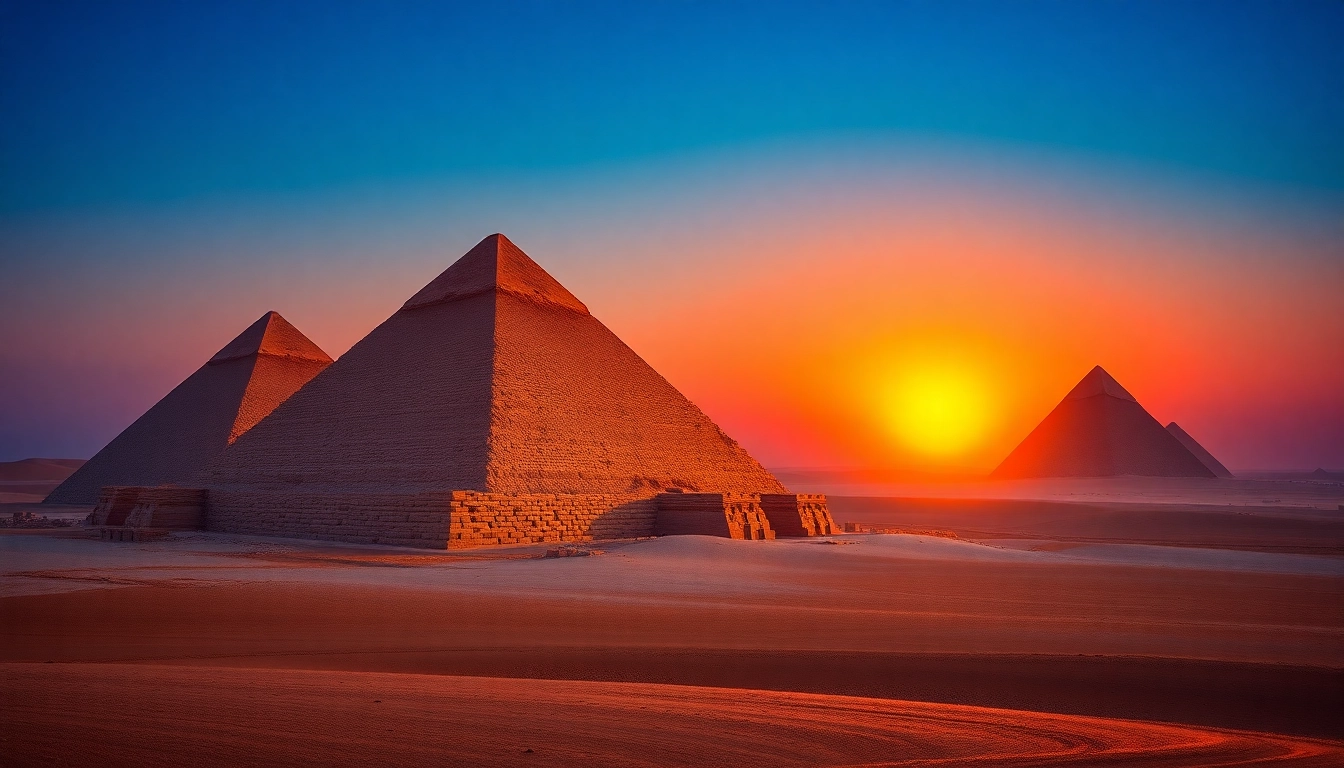
The pyramids of Egypt stand as iconic symbols of ancient civilization, drawing the curiosity of historians, architects, and tourists alike. Constructed primarily during the dynastic periods, these stone edifices not only served as grand tombs for pharaohs but also as manifestations of the cultural and spiritual life of ancient Egyptians. In this extensive exploration of pyramids, we will delve into their significance, construction techniques, modern discoveries, enduring mysteries, and their impact on tourism—reflecting a comprehensive view that goes beyond the surface. For further insights, you can explore https://piraminds.com/.
The Significance of Pyramids in Ancient Egypt
Cultural Importance
The construction of pyramids in ancient Egypt was more than just an architectural endeavor; it was deeply rooted in the culture and beliefs of the society. Pyramids symbolized the pharaoh's divine status and were integral to the practice of their burial rituals and beliefs in the afterlife. These monumental structures were part of a larger complex that included temples and chapels, serving as a testament to the pharaoh's power and cultural values.
Pyramids were constructed with precise alignments and careful planning to honor the gods and the deceased. The religious significance of these structures is further underscored by the texts and artifacts found within them, revealing profound insights into the spirituality of the ancient Egyptians.
Architectural Marvels
The architectural prowess displayed by ancient Egyptians in the construction of pyramids is truly awe-inspiring. The most famous pyramids, such as those at Giza, exhibit a harmonious blend of form and function. The Great Pyramid of Giza, built for Pharaoh Khufu, originally stood at approximately 481 feet in height—making it the tallest man-made structure for over 3,800 years.
Using massive limestone and granite blocks, the builders demonstrated remarkable engineering skills. The precise measurements and angles of these pyramids reveal an understanding of geometry that is often considered ahead of its time. The interiors of the pyramids, including shafts, chambers, and corridors, were designed to withstand the weight of the stone above while facilitating rituals that honored the deceased as they transitioned to the afterlife.
Symbolism and Beliefs
Pyramids are much more than tombs; they are steeped in symbolism. The pyramid shape is believed to represent the rays of the sun, symbolizing the ascension of the pharaoh to the heavens. This connection to the solar deity, Ra, was crucial, as the ancient Egyptians believed that the pharaoh would become one with the gods upon death.
Moreover, the orientation of the pyramids—often aligned with cardinal points or significant celestial bodies—demonstrates the importance of astrology and the afterlife in Egyptian belief systems. These symbolic elements contribute to the intricate relationship between architecture, spirituality, and cultural identity in ancient Egypt.
A Deep Dive into the Construction of Pyramids
Techniques Used by Ancient Builders
The construction techniques employed in building the pyramids remain a topic of great interest and debate among historians and archaeologists. It is widely believed that a combination of skilled labor, advanced planning, and teamwork enabled the successful construction of these massive structures.
One prevailing theory suggests that the Egyptians used ramps to transport the heavy stone blocks into place as they constructed the pyramids layer by layer. Various types of ramps—straight, zig-zag, and circular—may have been employed depending on the stage of construction and the specific pyramid design.
Tools and Materials
Ancient Egyptians utilized a plethora of tools to assist in the construction of the pyramids. Copper chisels, wooden sledges, and simple yet effective levers played a crucial role in maneuvering the massive stone blocks. The primary material for these structures was limestone, quarried nearby; granite blocks were often transported from distant quarries, highlighting the logistical challenges faced by laborers.
The organization of labor was equally important; while it is a common misconception that slaves built the pyramids, evidence suggests that a skilled workforce was employed. These workers received salaries and benefits, indicating a well-planned labor system essential for ambitious projects like pyramid construction.
Labor Force Insights
The labor force responsible for constructing the pyramids was predominantly composed of skilled laborers rather than slaves. Archaeological discoveries have revealed workers' villages near the pyramids, shedding light on the organization and welfare of these laborers.
These workers likely comprised seasonal laborers who rotated in and out of construction efforts, particularly during the inundation season when farming was not possible. This practice suggests a level of social organization and respect for the laborers, fostering a sense of pride and accomplishment in the work they performed.
Modern Discoveries Related to Pyramids
Recent Archaeological Findings
Archaeological advancements continue to uncover new insights into the pyramids. Recent discoveries near the pyramid complex at Giza have revealed hidden chambers and artifacts that provide a deeper understanding of the construction and religious practices associated with these monumental structures.
One notable finding includes the use of advanced technology, such as muon radiography, to discover voids within the pyramid that may contain undiscovered chambers. These methods represent a significant leap in archaeological techniques, allowing researchers to explore without invasive excavation.
Technological Advances in Exploration
Technological innovations have transformed the way researchers study pyramids. Techniques such as 3D scanning, ground-penetrating radar, and infrared thermography provide invaluable data that help archaeologists reconstruct ancient environments and understand construction techniques better.
The application of drones in mapping the pyramids and their surrounding areas allows for a comprehensive view of the entire landscape, yielding insights into the spatial relationships between structures and their surroundings.
Impact of Research on Historical Understanding
Ongoing research continues to reshape our understanding of the pyramids, challenging long-held beliefs about their construction and significance. The integration of technological advancements has led to new theories about the labor force, building techniques, and cultural practices surrounding these ancient monuments.
For instance, the discovery of significant resources, such as food and tools, at workers' sites indicates a communal effort in building these vast structures, fostering a sense of societal cohesion and purpose.
The Mysteries Surrounding the Pyramids
Unsolved Questions
Despite extensive research, many questions surrounding the construction and purpose of the pyramids remain unresolved. One major mystery is how the ancient Egyptians managed to transport enormous stone blocks from quarries, some located hundreds of miles away, with the limited technology of their time.
Another intriguing question pertains to the exact purpose of the pyramids. While their primary function as tombs is well established, theories surrounding their astrological or spiritual significance continue to prompt speculation among experts.
Theories of Purpose
The theories regarding the purpose of the pyramids range from being burial sites to astronomical observatories. Some researchers propose that the alignment of pyramids with celestial bodies indicates their function in ancient Egyptian religious practices and their connection to the cosmos.
Moreover, some suggest that the pyramids served as a means for the pharaohs to ascend to the heavens, reinforcing the socio-political ideology that intertwined earthly power with divine authority.
Legends and Myths
Pyramids are surrounded by a rich tapestry of myths and legends, many of which have evolved over centuries. Stories of cursed tombs and hidden treasures have captivated imaginations, fueling exploration and archaeological endeavors. These myths often reflect cultural perceptions about death and the afterlife, underlining their significance in the collective consciousness of humanity.
Tourism and Preservation of Pyramids
Impact on Local Economy
The pyramids of Egypt are not only cultural landmarks; they are also significant drivers of the local economy. As one of the most popular tourist destinations in the world, they attract millions of visitors annually, contributing to income through ticket sales, guided tours, and local businesses.
This influx of tourists supports a wide range of jobs, from hospitality to transport services, while fostering a sense of pride among local communities regarding their heritage.
Conservation Efforts
Preserving the pyramids for future generations is paramount. Preservation efforts are undertaken by both governmental and nonprofit organizations to protect these structures from natural degradation and human impact. This includes monitoring environmental effects, implementing tourism management strategies, and using advanced technologies for restoration.
Public awareness campaigns also play a vital role in educating visitors about responsible tourism and the importance of respecting and maintaining the integrity of these ancient sites.
Visitor Experience
The experience of visiting the pyramids is designed to be engaging and educational. Many sites offer guided tours, informative displays, and immersive experiences that allow visitors to delve into the history and mystery of these magnificent structures.
Technological enhancements, such as augmented reality applications, contribute to a richer understanding of the pyramids, allowing visitors to visualize ancient construction techniques and the cultural significance of these awe-inspiring monuments.
Frequently Asked Questions
What is the purpose of the pyramids?
The primary purpose of the pyramids was to serve as tombs for pharaohs, while also reflecting their divine status and connection to the afterlife in ancient Egyptian culture.
How were the pyramids built?
Pyramids were constructed using a combination of ramps for lifting stones, skilled labor, and precise engineering techniques that allowed for the careful placement of massive stone blocks.
Who built the pyramids?
The pyramids were built by a well-organized labor force of skilled workers and craftsmen, rather than slaves, who were compensated for their work.
What is the significance of the pyramid shape?
The pyramid shape symbolizes the rays of the sun and represents the pharaoh's ascent to the heavens, reflecting the spiritual beliefs of ancient Egyptians.
How are the pyramids being preserved today?
Preservation efforts involve scientific monitoring of environmental conditions, responsible tourism management, and restoration techniques using advanced technology to ensure that the pyramids are maintained for future generations.