Understanding the Importance of Pyramids
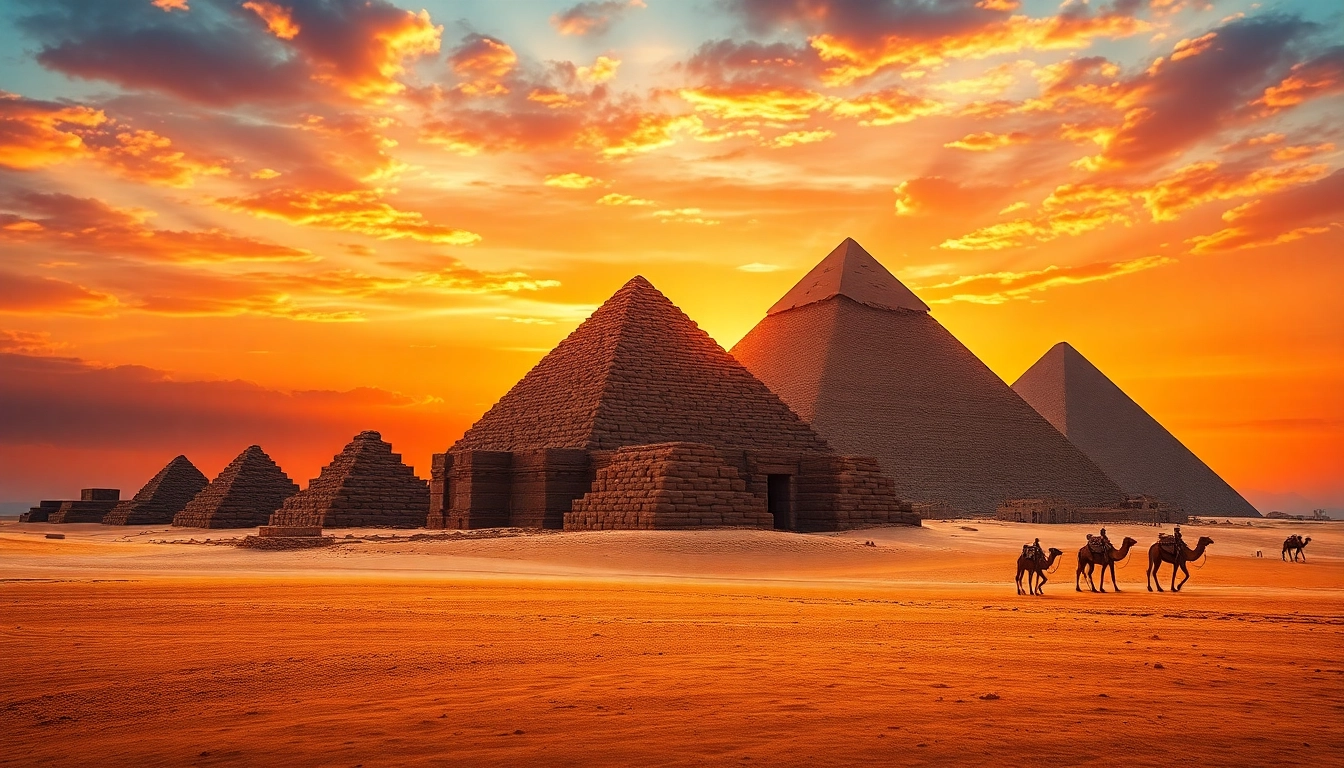
Pyramids stand as monumental reminders of ancient civilizations, particularly the Egyptians, reflecting their advanced understanding of architecture, culture, and religion. The most renowned pyramids, such as those at Giza, capture the imagination and curiosity of people around the world. Understanding the significance of these structures is crucial for appreciating their contributions to history and culture. For a deeper exploration of pyramids, you can visit https://piraminds.com/.
Historical Significance of the Pyramids
The Egyptian pyramids, primarily built as royal tombs, symbolize the pharaohs' power and their belief in the afterlife. Constructed during the Old and Middle Kingdom periods, these pyramids served as a transition from the flat-roofed mastabas to the iconic triangular shape we recognize today. Each pyramid is a testament to the Egyptians' sophisticated understanding of geometry and engineering, reflecting their religious beliefs in immortality.
The Pyramids' Architectural Marvels
The architectural marvel of the pyramids can be appreciated in their construction techniques and the materials used. Most pyramids are constructed with limestone, granite, and mortar, significantly contributing to their longevity. The Great Pyramid of Giza, the largest, consists of approximately 2.3 million blocks. Its precision in alignment with cardinal points showcases the Egyptians' astronomical knowledge.
Myths and Facts About the Great Pyramids
A variety of myths exist surrounding the Great Pyramids, from alien construction theories to ideas about slave labor. However, archaeological evidence suggests that thousands of skilled laborers, rather than slaves, built the pyramids during the flood season, when agricultural work was at a standstill. These workers were well-fed and housed, reflecting a complex social structure supporting monumental construction efforts.
Construction Techniques Used in Pyramid Building
Materials and Tools Preferred by Ancient Egyptians
Ancient Egyptians relied on locally sourced limestone and granite for building their pyramids. They employed copper tools, such as chisels and saws, and used wooden sledges to transport heavy stones. Recent discoveries indicate that water was poured on the sand to create a lubricated surface, significantly easing the movement of these giant blocks.
Labor Force Behind the Pyramid Construction
Contrary to popular belief, the labor force was not comprised of slaves but included skilled workers who likely adopted hereditary trades. Records show a well-organized workforce consisting of architects, engineers, and laborers. Estimates suggest that tens of thousands of workers were involved in constructing the Great Pyramid, indicating a highly structured approach to labor management.
Innovative Techniques in Pyramid Planning
The success of pyramid construction lay in meticulous planning. Engineers used a system of measurements and tools, such as plumb bobs and leveling instruments. Additionally, they implemented strategies for aligning the pyramids perfectly with the stars, which was essential for their religious significance. These innovative approaches allowed the ancient Egyptians to create structures that have withstood the test of time.
Exploring the Various Types of Pyramids
Step Pyramids vs. True Pyramids
Pyramids can be categorized into Step Pyramids and True Pyramids. Step Pyramids, like the Pyramid of Djoser, feature a series of rectangular structures stacked on one another. True Pyramids, such as those at Giza, present smooth, triangular outlines, a significant evolution in architectural design that reflects enhanced engineering skills.
The Role of Funerary Structures
Pyramids combined both funerary and religious elements, functioning as tombs for pharaohs and as temples for worship. They typically included burial chambers, ceremonial pathways, and offerings to ensure the deceased’s journey to the afterlife. This dual purpose highlights the cultural significance attached to the afterlife in ancient Egyptian society.
Famous Pyramids Around the World
While Egypt is famous for its pyramids, several other countries showcase similar structures. The Pyramid of the Sun in Mexico and the Nubian pyramids in Sudan illustrate the widespread influence of pyramid construction in ancient civilizations. Each structure reflects local culture and beliefs, emphasizing the architectural ingenuity of various societies.
Visiting the Pyramids Today
Best Time to Visit the Pyramids of Giza
The ideal time to visit the Pyramids of Giza is during the cooler months, from October to April. Visitors can enjoy more comfortable temperatures, making exploration of the site more enjoyable. Early mornings or late afternoons are particularly popular for breathtaking views and fewer crowds.
Tourist Experiences and Attractions
Visitors to the pyramids can experience guided tours that provide in-depth knowledge of their history and construction. Highlights include exploring the interior chambers, riding camels, and viewing the nearby Sphinx. Additionally, numerous museums and cultural centers around Giza enhance the visitor experience, offering insights into ancient Egyptian life.
Preservation Efforts for The Pyramids
Preservation of the pyramids has become a priority, as environmental factors and human activities threaten their integrity. Ongoing conservation efforts include monitoring erosion, controlling tourist access, and restoring damaged sections. Collaborations with various archaeological and heritage organizations ensure these ancient structures are preserved for future generations.
Future Research and Discoveries
Recent Discoveries in Pyramid Excavations
Recent archaeological finds, including undiscovered chambers and artifacts, continue to reshape our understanding of pyramid construction. Technological advancements like ground-penetrating radar have revealed hidden structures beneath the surface, indicating that many secrets about these monumental edifices remain.
Technological Advances in Archaeology
Advancements in technology, such as 3D scanning, have transformed how archaeologists approach studies of the pyramids. These tools allow for precise mapping of structures without disturbing them, facilitating further research in ways traditional methods could not. This has opened new avenues for understanding ancient Egyptian engineering and culture.
The Future of Pyramid Studies
The future of pyramid studies appears promising, with emerging technologies enhancing the field. Cooperation among international experts aims to tackle unanswered questions about construction methods and the pyramids' roles in ancient societies. Continuous research ensures that the historical significance of these structures will be fully appreciated.
Frequently Asked Questions
What are the most famous pyramids in Egypt?
The most famous pyramids are the Great Pyramid of Giza, the Pyramid of Khafre, and the Pyramid of Menkaure, located on the Giza Plateau.
How were the pyramids built?
Pyramids were constructed using limestone blocks transported by sledges and levers. A large labor force worked on them, often during the Nile's flood season.
What do the pyramids symbolize?
The pyramids symbolize ancient Egyptian beliefs in the afterlife and were designed to assist pharaohs in their journey to the next world.
Can visitors enter the pyramids?
Yes, visitors can enter certain pyramids, including the Great Pyramid, though access to tunnels and chambers is often restricted for preservation.
How old are the Egyptian pyramids?
The Egyptian pyramids date back to approximately 4,500 years ago, with the Great Pyramid completed around 2560 BC during the Fourth Dynasty.