
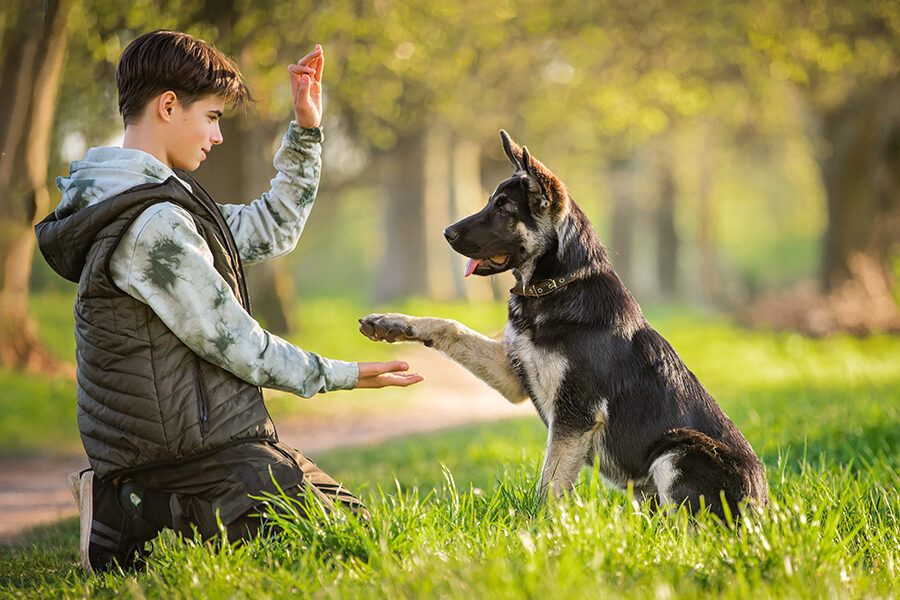
Effective Pit Bull training is one of the most important investments an owner can make for building a safe, well-balanced, and confident dog. Pit Bulls are intelligent, energetic, and highly loyal dogs, but they also require structure, consistency, and proper guidance to thrive in a home environment.
Modern Pit Bull training in 2026 is no longer about dominance-based methods. Instead, it focuses on behavior science, positive reinforcement, and understanding canine communication. When done correctly, training transforms a Pit Bull into a stable companion that responds reliably in everyday situations from walking calmly on a leash to interacting safely with people and other dogs.
In this guide, we break down proven strategies for Pit Bull training, including socialization, obedience foundations, behavior correction, and real-world handling techniques used by professional trainers today.
Understanding Pit Bull Behavior and Temperament
Before starting any Pit Bull training program, it’s important to understand the breed’s natural traits.
Pit Bulls are typically:
- Highly people-oriented and affectionate
- Energetic and physically strong
- Intelligent but sometimes stubborn
- Sensitive to handler tone and consistency
These traits mean that training must be structured but fair. Inconsistent communication can lead to confusion, while clear expectations help the dog learn quickly.
Modern behavior science shows that dogs learn best through association and reinforcement rather than force. This is especially true in Pit Bull training, where confidence-building plays a key role in long-term success.
Pit Bull Training Fundamentals: Building the Right Foundation
Successful Pit Bull training starts with the basics. These foundational elements shape all future behavior.
1. Positive Reinforcement
Reward-based training is the most effective method. Treats, praise, and play are used to reinforce desired behaviors.
2. Consistency
Commands must mean the same thing every time. Mixed signals slow down learning and increase frustration.
3. Timing
Rewards must be given immediately after the correct behavior so the dog clearly connects action and outcome.
4. Short Training Sessions
Pit Bulls learn best in 5–15 minute sessions repeated throughout the day.
5. Clear Communication
Use simple commands like “sit,” “stay,” “come,” and “leave it” without unnecessary variation.
These fundamentals are the backbone of all effective Pit Bull training programs.
Socialization: A Critical Part of Pit Bull Training
Socialization is one of the most overlooked aspects of Pit Bull training, yet it plays a major role in shaping behavior.
A well-socialized Pit Bull is:
- More confident in new environments
- Less reactive toward strangers and other dogs
- Easier to manage in public spaces
How to Socialize Properly:
- Introduce new environments gradually
- Expose your dog to different sounds, surfaces, and people
- Pair new experiences with rewards
- Avoid overwhelming situations early on
The goal is not just exposure but positive association. When socialization is done correctly, it reduces fear-based behaviors and supports long-term stability.
Obedience Training Techniques That Work
Core obedience is essential in Pit Bull training, especially for strong and energetic dogs.
Essential Commands:
- Sit
- Stay
- Come
- Heel
- Down
- Leave it
Effective Training Methods:
- Lure and reward techniques for beginners
- Marker training (clicker or verbal marker like “yes”)
- Gradual distraction training to improve reliability
Consistency is key. Practicing obedience in different environments ensures your Pit Bull responds regardless of distractions.
Managing Reactivity and Behavioral Challenges
Some Pit Bulls may display reactivity toward other dogs, strangers, or fast-moving objects. Proper Pit Bull training addresses these behaviors early.
Common Triggers:
- Lack of early socialization
- Overstimulation
- Fear or anxiety
- Inconsistent handling
Management Strategies:
- Maintain distance from triggers initially
- Reward calm behavior around distractions
- Avoid punishment-based corrections
- Gradually reduce sensitivity through controlled exposure
Behavior modification takes time, but with structured Pit Bull training, most dogs show significant improvement.
Leash Training and Impulse Control
Leash manners are a major part of everyday Pit Bull training. Due to their strength, uncontrolled pulling can quickly become a safety issue.
Leash Training Tips:
- Use a properly fitted harness or collar
- Reward walking beside you
- Stop moving when pulling occurs
- Change direction to regain attention
Impulse control is equally important. Teaching your Pit Bull to “wait,” “leave it,” and “stay” builds patience and reduces impulsive reactions in public environments.
Common Pit Bull Training Mistakes to Avoid
Even well-meaning owners can make mistakes that slow progress.
Avoid These Errors:
- Using punishment instead of reinforcement
- Inconsistent commands or routines
- Skipping socialization during early development
- Expecting immediate results
- Allowing unmanaged excitement or rough play
Mistakes in Pit Bull training often lead to confusion rather than correction. Clarity and consistency always produce better long-term behavior.
When to Work with a Professional Trainer
While many owners succeed with at-home training, some situations benefit from professional support. Working with experts like Rob’s Dog Training can help address more complex behavior challenges.
Professional guidance is especially helpful for:
- Aggression or severe reactivity
- Strong leash pulling issues
- Anxiety-based behaviors
- Multi-dog household dynamics
A structured program ensures that Pit Bull training is tailored to the dog’s personality, environment, and learning pace.
Building a Lifelong Bond Through Pit Bull Training
At its core, Pit Bull training is not just about obedience it’s about building trust and communication between dog and owner. When training is consistent, positive, and structured, Pit Bulls become calm, reliable, and deeply loyal companions.
Daily practice, patience, and clear expectations create lasting behavioral results. Whether you are raising a young puppy or working with an adult dog, the principles of modern training remain the same: reinforce good behavior, guide with clarity, and build confidence step by step.
This is where professional guidance can make a meaningful difference. Working with experts such as Rob’s Dog Training can help owners apply proven methods more effectively, especially when dealing with advanced behavior challenges or refining long-term obedience.
With the right approach, your Pit Bull can thrive in any environment, making training one of the most rewarding parts of dog ownership.